

Best Jigs for Lake Erie Spring Walleye
🏆 Top Picks at a Glance
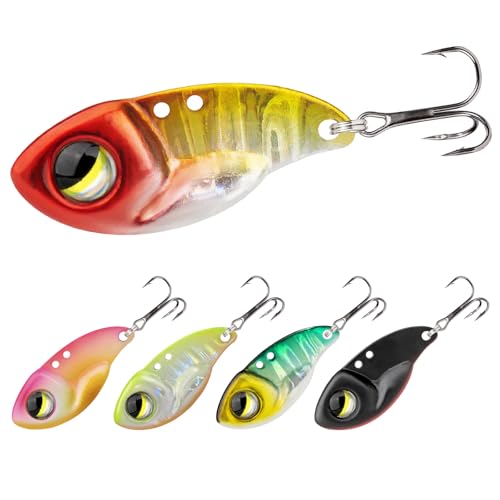 #1
#1
Best Overall
TRUSCEND Fishing Lures Bass, Metal Blade Bait Jigs Walleye Trout Fishing Lures for Freshwater, Salmon Musky Pike Jigging Spoon Flutter Swimbaits, Fishing Gifts for Men
$14.99
Check Price → #2
#2
Runner Up
9KM DWLIFE Bucktail Jigs Jig Heads Saltwater Buck Tail Fishing Lure Crappie Hair Jigs Bass Walleye Surf Fishing Lures 1/4 Oz-2oz 5Pack
$13.99
Check Price → #3
#3
Best Value
LUCKYFISHING Jig Heads Crappie Jigs Walleye Jigs Heads for Fishing Gifts for Men 1/4oz(7g)-1/0-15pcs
$9.99
Check Price →Our Top Picks
Affiliate disclosure: if you buy through these links, we may earn a commission at no extra cost to you.
Factors to Consider
Weight and depth versatility
⚡ Quick Answer
Spring walleye on Lake Erie demand a spectrum of jig weights. Start with 1/4 to 3/8 oz for 15-40 ft when the Western Basin warms first, then move to 1/2 oz for 40-60 ft or stronger currents. The goal is a jig that falls quickly enough to reach active fish without blowing out shallow bites. Have a couple of lighter jigs ready for shallow, a couple heavier for deeper basins, and adjust on the drop.
Table of Contents
Material and durability in cold water
Tungsten heads give you a compact, fast-sinking profile that’s gold in cold Lake Erie water. Lead heads are softer on the wallet, but their bulk can snag more and mask bites. Look for robust hooks, durable powder coatings, and finishes that resist chipping after days of grind on rocky bottom. In Western Basin clear water, the subtlety of tungsten often translates to more bites.
Colors, patterns, and attractants
Natural perch, shad, and white patterns plus chartreuse accents shine in spring. In stained water or low light, go brighter with UV or chrome flashes to draw strikes from wary fish. Match the bait you’re seeing on the screen and keep a few glow patterns handy for cloudy days. A small, scented plastic or a live minnow can seal the deal when the bite slows.
Rigging versatility for trolling, jigging, and ice fishing
Choose jig heads with strong, sharp hooks and eye alignment that suits your tackle setup. Pair with soft plastics that swim on the fall, or drop in a live minnow when the bite is lean. For trolling, opt for heads that minimize line twist and work well with planers and cane spreads; for jigging, a stand-up or ball-head design helps trigger aggressive strikes. Ice-season jigging works too, using smaller heads and light line for quick, vertical action when the season holds the lake.
Frequently Asked Questions
What jig weight should I start with for spring walleye on Lake Erie?
Begin with 1/4 to 3/8 oz jigs in 15-40 ft depths, especially in the Western Basin as temps rise. If you’re fishing deeper or against a current, move to 1/2 oz and keep the fall slow and deliberate. Adjust to the depth you locate active fish and then dial in speed with a steady lift-and-drop or light retrieves.
Tungsten vs lead jigs: which is better for spring walleye?
Tungsten is smaller and sinks faster, giving you quicker contact with suspended fish. Lead is cheaper and heavier for bulk in deep presentations, but it can be bulkier and snag more. For tight windows and cold-water finesse, go with tungsten; for budget-friendly days with longer runs, lead works fine.
Western Basin vs Central Basin: how should your jigging strategy differ in spring?
Regional surveys show Western Basin walleye push shallow earlier in spring, so target 15-40 ft with lighter heads. Central Basin fish stay deeper longer, so plan 30-60 ft or deeper and anticipate slower falls. Adapt your depth and retrieval to daily water temps and bait presence.
Live bait or plastics for spring walleye on Lake Erie?
Live minnows are productive when fish are actively feeding, while plastics offer versatility and lower cost over long trips. In cold water, a live minnow under a small jig often outproduces plastics on bite windows, but have plastics ready to cover slow days. Try both to see which pattern the school prefers on any given day.
What colors work best in spring on clear vs stained water?
In clear Western Basin water, natural perch and white tones excel. In stained water, chartreuse and UV patterns draw more bites. Bring a mix and swap quickly if you’re not getting nibbles after a couple of minutes.
What depth and speed are ideal for spring trolling on Lake Erie?
For trolling, run 1.0–2.0 mph and keep your lure at the depth where fish show on the sonar, typically 20–60 ft in spring. Use planers or boards to hold lines at the right depth without crowding the boat. If bites lag, slow 0.3 mph and fine-tune depth in 5 ft increments.
Can these jigs be used for ice fishing or shoulder-season jigging?
Yes. Smaller jigs (1/8–3/16 oz) work well for vertical jigging through late-season ice and early-season jigging in shoulder months. Pair with soft plastics or live bait and keep a sharp hook; the approach is similar, just scaled to the water’s temperature and glare on the surface.


