

Best Soft Plastic Lures for Catching Lake Erie Smallmouth Bass in Weed Beds During Late Spring 2026
🏆 Top Picks at a Glance
 #1
#1
Best Overall
TRUSCEND Fishing Jigs Lures with Handmade Lead Heads Paddle Tail Spinner Baits for Bass Trout Walleye Musky Soft Plastic Fishing Lures
$16.99
Check Price →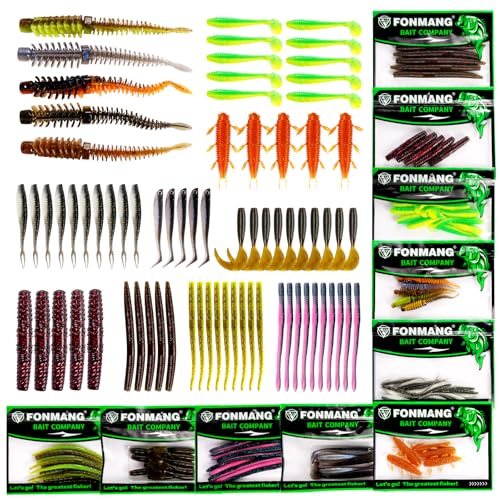 #2
#2
Runner Up
FONMANG 75Pcs Fishing Lures,Soft Plastic Bait Worms,Craws,Paddle Tail Swimbait,Grubs,jeakbait,Ned Rig Bait,Fishing Lure Kit for Bass, Trout, Walleye Freshwater & Saltwater
$14.99
Check Price → #3
#3
Best Value
Tentacle Creature Lure, Japanese Style Soft Plastic Baits for Bass Fishing - for Drop Shot, Wacky Rig/Neko Rig and Finesse, Slow Sinking, Soft Bait by Velrifya (06-Green Pumpkin Pepper, 2.7-INCH)
$14.99
Check Price →Our Top Picks
Affiliate disclosure: if you buy through these links, we may earn a commission at no extra cost to you.
Factors to Consider
Weed-Guarded Hooking and Weedless Design
⚡ Quick Answer
Late spring weed beds demand a setup that stays in the strike zone without burying itself. Choose soft plastics paired with weed-guarded hooks or weedless jig heads in the 1/8–1/4 oz range to punch through pockets and along edge lines. Braided line with a light fluorocarbon leader keeps you feel for taps while cutting through dense vegetation. Keep tactics simple so you can move from patch to patch without bogging down in grass.
Table of Contents
Lure Profiles for Weed Beds
3–4 inch tubes on light jigs and 3.5–4 inch swimbaits on slim jigheads are your workhorse options in weed beds. A slender profile like a tube or a finesse swimbait penetrates cabbage more reliably than bulkier plastics, letting you stay in contact along weed edges. Pair with a slow, steady hop-and-wind approach, pausing to let the lure tick along seams and pockets. Have a few 1/8–1/4 oz setups ready for quick swaps as beds shift with the fronts.
Color, Scent, and Water Clarity
In Western Basin clear water, natural shad tones and green pumpkin patterns tend to outfish brighter options. The Central Basin’s stained water calls for chartreuse, pink, or purple hues that pop when visibility drops. Scent isn’t a necessity, but light attractants can help when bites are tentative; focus on action and proximity first, then scent if bites lag. Adjust colors to match weed density and sunlight angles, not just every lure on your deck.
Durability and Cold-Water Performance
Late spring water remains cool, so plastics that resist tearing hold up better as you work through dense patches. Look for slightly thicker tails or reinforced plastics designed to endure weed abrasion without losing tail action. Rigs built for cold water kick back with crisp feel on the strike; keep your line and rod setup tuned for sensitivity so you don’t miss subtle take-downs. Choose lures that maintain shape after multiple fish, not ones that shred in a single bite.
Frequently Asked Questions
What size soft plastic is best for Lake Erie smallmouth in weed beds during late spring?
A 3–4 inch plastic is your default, with 2.5–3 inch working in tight pockets and transitional gaps. Most reliable bites come from the mid-range size, especially on 1/8–1/4 oz jigheads with weed guards. Vary your length to match patch density and water temperature.
Should I use weedless hooks or weighted hooks in weed beds?
Weedless hooks and weed-guarded jigs are your first choice to stay in the strike zone without snagging. If you’re punching through sparse pockets, a light weighted jig can help you probe deeper seams. The key is maintain contact while keeping slider action, not just burying the lure in grass.
What retrieve works best in weed beds?
Start with slow lifts and short pauses along weed edges, then vary to short, steady twitches. Let the lure tick along pockets and feed off the bottom, pausing to trigger late bites. Keep the line tight and your rod tip high to feel subtle taps through the weed.
Do Western Basin conditions vs Central Basin conditions change lure choice?
Yes. Western Basin’s clearer water favors natural shad and green patterns; Central Basin’s often stained water calls for higher-contrast colors like chartreuse. In both, match the lure profile to weed density and temperature, not just the basin label.
How do water temperature and seasonality influence lure choice?
Early late spring sits around the mid-50s to low-60s, so go slower and closer to the bottom. As water warms toward the mid-60s, you can mix in slightly faster retrieves and longer pops into pockets. Use temperature cues to adjust depth and cadence on the weed beds.
Do scent additives help on Lake Erie smallmouth in weed beds?
Research shows scent is not the primary driver; action and proximity to baitfish hold more weight. Scent can help when bites are reluctant, but you’ll win more often by dialing in lure size, color, and a consistent, weed-tensible retrieve. Keep it simple and let the lure do the work.
What is your go-to combo to start with when you show up to weed beds?
Start with a 3.5" swimbait on a light 1/8 oz weedless jig, paired with 8–12 lb fluorocarbon and a 20 lb braid backing for feel and hook-setting power. If that fails to provoke bites in a given patch, switch to a 3.5" tube on the same jig size and re-check edges. You’ll cover most fall-through weed pockets by keeping a steady tempo and a few color swaps in your box.
Conclusion
In late spring on Lake Erie, the winning pattern is a mix of weed-tolerant plastics and a patient, edge-focused presentation. Start with 3.5-inch swimbaits or 3–4 inch tubes on weed-guarded setups, and adapt colors to basin clarity and weed density. Stick with that approach, and you’ll rack more smallmouth along weed lines as the flats warm up.


